Global Innovation Index 2026: How MENA and South Asia Are Reshaping the Innovation Landscape

From the UAE’s historic entry into the world’s top 25 to Morocco’s rising innovation performance and South Asia’s expanding digital economy, WIPO’s latest rankings reveal a changing landscape for innovation across the region.
Innovation is increasingly becoming a defining feature of economic competitiveness across the Middle East, North Africa and South Asia. As governments invest in research, digital infrastructure, entrepreneurship and advanced technologies, several economies are strengthening their positions in the global innovation landscape.
The World Intellectual Property Organization’s (WIPO) Global Innovation Index (GII) 2026 offers a compelling picture of this transformation.
Assessing 139 economies through 78 indicators, the Index examines not only the resources countries invest in innovation but also their ability to translate those investments into knowledge, technology, creative outputs and commercial value.
While Switzerland, Sweden and the United States continue to lead globally, this year’s results highlight important developments across the Middle East, North Africa and South Asia, where innovation ecosystems are evolving through different combinations of investment, research, entrepreneurship and intellectual property activity.
The UAE Breaks into the World’s Top 25
One of the most notable regional developments is the United Arab Emirates’ rise to 25th globally, advancing five positions from 2025 and entering the world’s top 25 innovation economies for the first time.
The achievement reflects the UAE’s sustained investment in building an environment conducive to innovation, particularly through digital infrastructure, business development, talent attraction and research-oriented investment.
Beyond its overall ranking, the UAE demonstrates considerable strength in several individual indicators. WIPO places the country first globally for greenfield research and development and high-tech foreign direct investment, while its broader innovation performance includes progress in high-tech manufacturing, international investment and patent families.
These developments highlight the UAE’s growing role as a regional destination for technology-driven businesses, research investment and innovation-led enterprise.
However, the Index also identifies an important next stage in the country’s development: translating its strong institutional and investment foundations into greater knowledge creation, technological outputs and commercial innovation.
The Gulf’s Innovation Ambitions Are Gaining Ground
The UAE’s progress forms part of a wider shift across the Gulf, where economic diversification strategies are increasingly centred on technology, research and entrepreneurship.
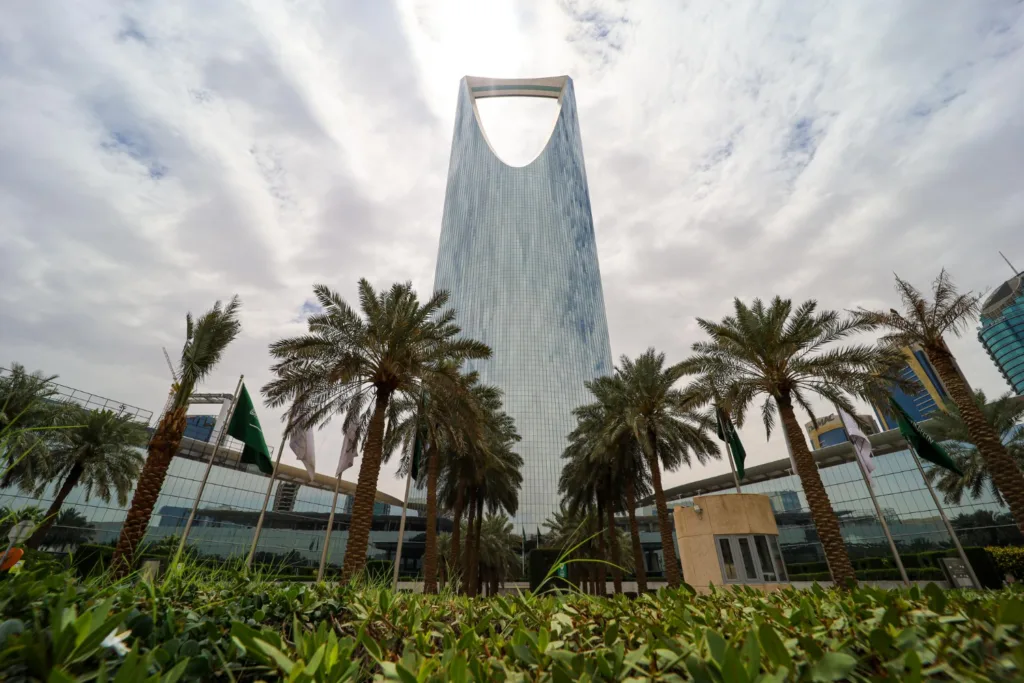
Saudi Arabia ranks 42nd globally, reflecting continued progress in its innovation ecosystem. The Kingdom stands out for its adoption of information and communication technologies, while Riyadh’s entry into WIPO’s global top 100 innovation clusters marks a further development in its research and technology landscape.
Qatar follows at 47th, demonstrating particular strength in infrastructure and international talent attraction. Its first-place global ranking for inbound tertiary student mobility highlights the role of international education and knowledge exchange in its innovation strategy.
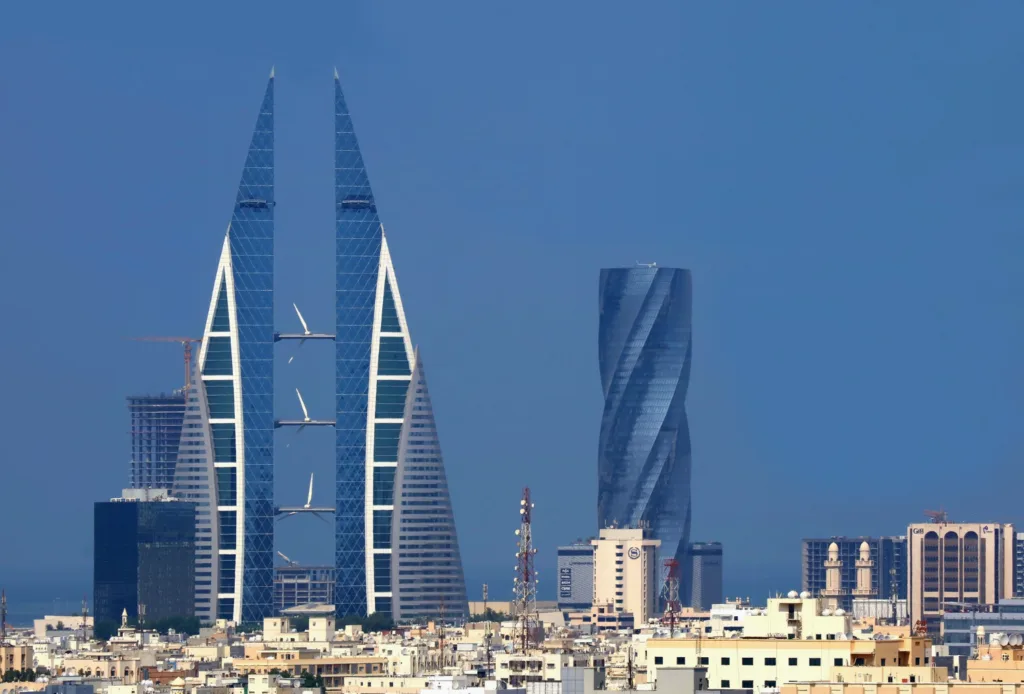
Elsewhere, Kuwait has advanced 11 positions to 62nd, one of the region’s most significant improvements, while Bahrain ranks 64th and Oman 69th.
Together, these results reflect the different approaches Gulf economies are taking to strengthen their innovation capabilities, from digital transformation and research investment to entrepreneurship and the development of knowledge-based industries.
For businesses operating across these markets, expanding innovation activity also reinforces the importance of effective intellectual property strategies, particularly as new technologies, products and services move towards commercial application.
North Africa: Morocco Leads a Growing Innovation Story
North Africa is emerging as another important area of innovation development, with Morocco achieving a particularly significant milestone.
Ranked 54th globally, Morocco has reached its highest position in the Global Innovation Index to date.
Its performance reflects progress in industrial development and the commercial use of intangible assets, particularly industrial designs, trademarks and high-tech manufacturing. Notably, Morocco ranks 46th for innovation outputs despite placing 76th for inputs, demonstrating its relative strength in translating available resources into measurable results.
Other North African economies are also showing distinctive capabilities.
Tunisia, ranked 71st, stands out for its human capital and scientific education, achieving first place globally in science and engineering graduates.
Egypt ranks 83rd, supported by its substantial scientific base, large domestic market and research and development expenditure exceeding 1% of GDP.
Algeria, ranked 111th, demonstrates notable investment in education, providing an important foundation for its longer-term innovation development.
These results show that innovation across North Africa is not following a single model. Instead, countries are building on different strengths, from scientific talent and research capacity to industrial production, design and branding.
South Asia: Digital Innovation, Entrepreneurship and New Opportunities for Growth
South Asia is emerging as an increasingly important contributor to the global innovation landscape, driven by its expanding digital economy, entrepreneurial activity and growing technological capabilities.
The Global Innovation Index 2026 highlights the region’s diverse strengths, with India continuing to lead and Pakistan demonstrating renewed progress.
India ranks 38th globally, maintaining its position as the leading innovation economy in WIPO’s broader Central and Southern Asia classification. The country ranks first worldwide in ICT services exports and fourth in late-stage venture capital deals, reflecting the strength of its technology services industry and start-up ecosystem.
India also ranks 13th in intangible asset intensity and 25th in overall innovation outputs, demonstrating its ability to translate investment and entrepreneurial activity into measurable innovation outcomes. WIPO identifies India as one of the world’s longest-standing innovation overperformers, having exceeded expectations for its level of economic development for 16 consecutive years.
Pakistan has advanced four positions to 95th globally, regaining its status as an innovation overperformer in 2026. Its strongest results are concentrated in the digital economy, where it ranks 10th worldwide in mobile app creation, 15th in ICT services exports and 19th in high-tech imports.
Pakistan’s performance also reflects a developing foundation in scientific research and higher education, with rankings of 49th in scientific production and 47th in university quality. These strengths indicate opportunities to build stronger connections between technology development, research and commercial innovation.
Elsewhere in South Asia, Sri Lanka ranks 94th, demonstrating particular strength in energy efficiency, while Bangladesh ranks 105th, supported by its performance in microfinance, where it stands 12th globally. Nepal, ranked 104th, also performs strongly in microfinance, securing third place worldwide.
Beyond the country rankings, WIPO reports that Central and Southern Asia recorded the world’s fastest growth in deep-science start-ups since 2020, increasing by 118%, largely driven by India. This development points to the region’s growing participation in science-based entrepreneurship and emerging technologies.
For South Asia, the next challenge lies in connecting these strengths more effectively. Expanding research capabilities, improving access to investment and strengthening links between universities, innovators and industry will be important to sustaining innovation-led growth.
As digital technologies, research-based inventions and entrepreneurial ventures continue to develop, intellectual property protection will also play an increasingly important role in supporting commercialisation, attracting investment and facilitating international expansion.
Intellectual Property: Connecting Innovation with Commercial Value
One of the most interesting themes emerging from the GII 2026 is the growing importance of intangible assets in national innovation performance.
The Index identifies trademarks, industrial designs, patents and other forms of intellectual property as relevant indicators of how economies develop, protect and commercialise innovation.
Morocco’s strength in industrial designs, the UAE’s progress in patent families and the growing technology-driven entrepreneurial activity across South Asia illustrate the different ways intellectual property contributes to innovation ecosystems.
These developments also highlight an important distinction between creating an innovation-friendly environment and successfully converting innovation into commercially valuable outcomes.
Research investment, advanced infrastructure and access to finance create opportunities, but the development of commercially viable products, technologies and brands requires further steps.
For businesses, intellectual property protection forms an important part of that process. Patent prosecution, trademark registration, industrial design protection, licensing and enforcement can support the development and commercialisation of innovative technologies and brands across domestic and international markets.
As innovation activity expands across the Middle East, North Africa and South Asia, businesses operating in multiple jurisdictions must also navigate differences in filing procedures, examination practices, enforcement frameworks and regulatory requirements.
Beyond the Rankings: What Comes Next?
The Global Innovation Index 2026 presents a region characterised by progress, but also by considerable diversity.
The Gulf is strengthening its innovation infrastructure and investment environment. North Africa is demonstrating the value of industrial capabilities, research and intangible assets. South Asia, meanwhile, is building on its expanding digital economy, entrepreneurial talent and scientific capabilities to strengthen its position in the global innovation landscape.
Yet WIPO’s findings point to a common challenge:
The next phase of innovation growth will depend not simply on investment, but on the ability to translate ideas, research and technology into tangible economic outcomes.
For the Middle East, North Africa and South Asia, this creates an opportunity to strengthen the connections between research institutions, businesses, investors and intellectual property systems.
As these innovation ecosystems mature, effective protection and management of intellectual property will remain an important consideration for companies seeking to develop, commercialise and expand their innovations across borders.
The GII 2026 is therefore more than a ranking of national performance. It offers a view of how the geography of innovation is evolving and where the next opportunities for technology development, entrepreneurship and intellectual property activity may emerge.
Official sources