
Oman Obtains International Geographical Indication Recognition for Frankincense

Oman Obtains International Geographical Indication Recognition for Frankincense

Oman has secured international geographical indication protection for Omani frankincense through the World Intellectual Property Organization (WIPO), further strengthening the recognition and protection of one of the country’s most iconic natural products.

Derived from Boswellia sacra trees native to the Dhofar region, Omani frankincense has long been valued for its distinctive aroma, quality, and historical significance. For centuries, it has played an important role in regional trade and remains closely associated with Oman’s cultural heritage.

The international registration provides enhanced recognition of the connection between the product and its geographical origin while extending protection through the framework established under the Geneva Act of the Lisbon Agreement. This helps safeguard the designation against misuse and supports the preservation of the product’s authenticity and reputation.

The development reflects the growing role of geographical indications as a tool for protecting origin-linked products, promoting regional identity, and creating long-term economic value through intellectual property rights.

Saudi Arabia’s New Copyright Law Key Changes and Implications

Saudi Arabia has modernized its intellectual property framework through the enactment of a new Copyright Law pursuant to Royal Decree No. M/169, published in the Official Gazette (Umm Al-Qura) on February 13, 2026. This legislation replaces the Copyright Law of 2003 and aligns the Kingdom’s regime with international standards, digital economy requirements, and the objectives of Vision 2030.

The new law is scheduled to enter into force in 12 August 2026 (approximately 180 days after publication). During this transitional period, the Saudi Authority for Intellectual Property (SAIP) is expected to issue detailed Implementing Regulations. Until the effective date, the 2003 framework, supplemented by existing SAIP regulations, continues to apply.

Principal Updates and Key Provisions

1. Expanded Territorial Scope (30-Day Rule) The new law broadens copyright protection to works first published in Saudi Arabia and to foreign works subsequently published in the Kingdom within 30 days of their initial foreign release. This strengthens safeguards for international rights holders.

2. Strengthened Moral Rights Moral rights are reinforced as perpetual, inalienable, and non-waivable. They include the right to first public disclosure, attribution (including pseudonyms), objection to distortion or misuse prejudicial to the author’s honor or reputation, and the right to petition courts for withdrawal of a work for serious reasons. These rights pass to legal heirs upon the author’s death.

3. Clarification of Work-for-Hire Ownership Economic rights in works created by employees within the scope of their employment and related to the employer’s business activities automatically vest in the employer, subject to contrary written agreements. This provides greater corporate clarity.

4. Software, Databases, and Licensing The law affirms the enforceability of standard software, mobile application, and database licenses, provided they comply with Saudi public order and morals.

5. Text and Data Mining Exception for AI A targeted exception permits the reproduction of lawfully acquired works for AI training and development, subject to conditions that the use be limited, lawful, and not unreasonably prejudicial to the rights holder’s interests.

6. Safe Harbor for Online Platforms Limitations on liability are introduced for internet service providers and digital platforms regarding passive technical functions, provided they lack actual knowledge of infringement and act expeditiously upon formal notice.

7. Enhanced Enforcement and Penalties Penalties have been significantly strengthened, including higher fines (up to SAR 1 million per violation, or SAR 2 million for repeats), extended imprisonment terms, and improved civil remedies.

Strategic Implications for Organizations

Businesses should:

  • Audit AI training data workflows for compliance with the new exception.
  • Update employment contracts and IP policies to reflect work-for-hire provisions.
  • Implement robust notice-and-takedown systems for platform compliance.
  • Strengthen licensing audits and overall IP governance.
  • Monitor SAIP implementing regulations closely during the transition.

The new framework signals a clear advancement toward stronger enforcement, digital alignment, and innovation support. 

Should you require any assistance, further information, or clarification regarding this matter, please do not hesitate to contact us.

Bahrain Joins the Locarno Agreement

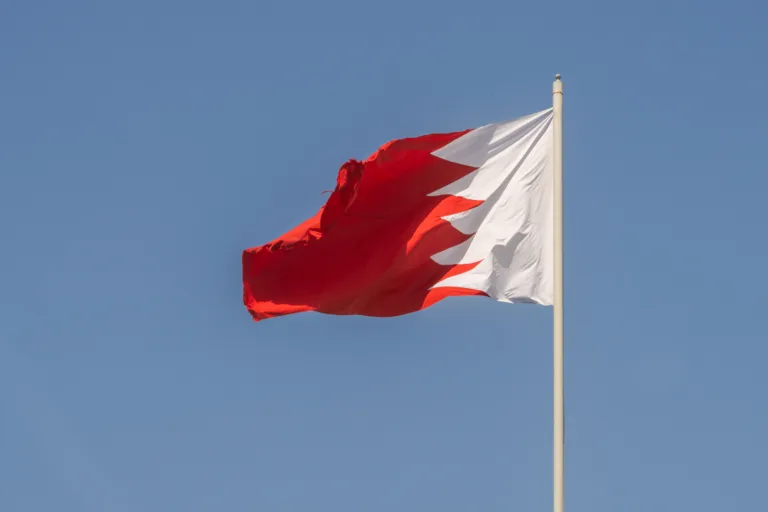
The Kingdom of Bahrain has formally joined the Locarno Agreement through the enactment of Law No. 21 of 2026, marking a further development in the country’s intellectual property framework. The Agreement establishes an internationally accepted classification system for industrial designs, enabling designs to be organised according to standardised classes and subclasses used across participating jurisdictions.

As the 64th member of the Agreement, Bahrain adopts a system that promotes greater consistency in the handling of industrial design applications and facilitates the identification and management of design rights on an international level. The accession reflects Bahrain’s continued commitment to modernising its IP regime and enhancing compatibility with globally recognised practices for the protection of industrial designs.

Our teams are available to assist you with your industrial design applications in Bahrain and wider region.

Celebrating Another Year of Recognition in IAM Patent 1000 (2026)

United Trademark & Patent Services is pleased to announce its continued recognition in the IAM Patent 1000, one of the world’s leading guides to patent professionals and firms. The firm has been ranked consistently for many years, reflecting its longstanding commitment to delivering high-quality patent prosecution, transactions, litigation, and strategic intellectual property services across the Middle East and South Asia.

Pakistan

United Trademark & Patent Services has once again been recognised as a Highly Recommended Firm in Pakistan. IAM Patent 1000 describes the firm as a “stronghold in the IP arena within Pakistan,” highlighting its ability to combine deep technical understanding with a strong command of patent law. The guide further notes the team’s meticulous drafting, efficient case management, and close collaboration with clients and inventors to protect innovation while supporting broader commercial objectives.

The ranking also recognises the firm’s exceptional leadership bench, including Hasan Irfan Khan and Yawar Irfan Khan, with Yasser Mahmood being an integral part of the team. Together, they bring decades of experience spanning patent prosecution, litigation, portfolio management, enforcement, and strategic advisory work for multinational corporations and regional businesses. Their collective expertise continues to reinforce the firm’s reputation as a trusted adviser for complex and high-value patent matters.

United Arab Emirates

In the United Arab Emirates, United Trademark & Patent Services has been recognized as a leading firm in Prosecution, Transactions and Litigation, reflecting the breadth and strength of its patent practice.

IAM Patent 1000 highlights the firm’s robust and strategically driven approach, noting its combination of legal acumen and advanced technical expertise. The guide recognises the team’s ability to deliver industry-specific counsel across a wide range of sectors while maintaining strong capabilities in patent enforcement, defence, dispute resolution, and commercial transactions.

The publication also recognises Maria Farrukh Irfan Khan, Nevin Jacob Koshy, and Essam A. Khaleq for their contributions to the firm’s success. Their combined experience in patent protection, prosecution, enforcement, portfolio management, litigation, and cross-border intellectual property strategy continues to support clients throughout the UAE, GCC, and wider region.

We are grateful to our clients, colleagues, and associates for their continued trust and support. These rankings are a testament to the dedication of our team and our ongoing commitment to helping innovators protect and maximise the value of their intellectual property assets.

The Rise of Defeating Unfair Competition in the Asia-Pacific region

The fast-paced development of commerce, industry, and technology in a society is demonstrating the importance of having a safe Intellectual Property ecosystem.

It is undeniable that the market is ruled by a principle that contains Competition Law that is continuously seeking to maintain fair competition by regulating anti-competitive conduct for businesses and companies, with a prohibition of cartels, and a prevention of market distortion.

For “Healthy Competition,” is an economic concept promoting fair and ethical practices between entities, all the while enhancing innovation and creativity among industry players. The combination of fair play, customer-centered enterprises, and a long-term-oriented goal, in the context of healthy competition, rewards both consumers and businesses. The former enjoys a superior customer/consumer experience thanks to a better overall service and/or product, while the latter thrives as a result of customer satisfaction, which translates into an incremental gain in market share.

The Asia-Pacific (APAC) region is witnessing an advancement in prioritizing Intellectual Property protection against unlawful practices and behaviors in China, Singapore, Malaysia, Thailand, Indonesia, Korea, and others.

In fact, Unfair Competition acts create confusion in consumers’ minds beyond any figures of ethics in the mechanism of an economic cycle orientation and choices, in order to be misled about the origin of a product or a service in a given economic system, while Healthy Competition enables consumers to freely choose between a variety of choices that meet their needs.

It is important to determine the manifestations of Unfair and Unhealthy Competition that can be cited as Market Manipulation, Intellectual Property Theft, Environmental Exploitation, Trademark Infringement, Counterfeiting, the theft of trade secrets, Price Dumping that can lead to monopolistic situations, Unfair Advertising, knowing that all of these acts of confusion have the same target to influence users’ choice.

In the Dynamic Region of Asia-Pacific (APAC), which contains different countries and different legal systems, a lot of Unfair Competition practices may occur, with, in parallel, the fast and eminent advancement of commerce and technology, that should be faced and limited by governmental, regional, and international legal tools and measures.

In other words, the economic growth in this region can give rise to multiple legal and practical issues that affect Fair Competition.

The real-world state


Current efforts to oversee and control anti-competitive actions that transcend borders have evident restrictions, which an accord could surmount, and the World Trade Organization (WTO) could serve as the ideal organizational platform for this purpose. In terms of practical implications, the prevailing situation in the Asia-Pacific region has damaged the confidence between corporations and consumers, jeopardizing economic advancement, trustworthiness, and inventive progress within society.

Market Intelligence


Recognizing that the Asia-Pacific region comprises a variety of nations, each with its distinct legal framework, it is expected that variations in legal procedures will arise.

In the age of globalization, every country has the authority to safeguard its unique innovations, patents, and corporate identities from any negative impact within the marketplace of ideas and across various sectors like technology, product sales, and financial transactions. This includes ensuring that national regulations align with internationally accepted standards.

The influence of contemporary technologies


When it comes to emerging technologies and associated marketing strategies, the conversation surrounding keyword advertising within trademark and unfair competition law indicates the potential need for increased transparency measures to uphold fairness and the proper functioning of the marketplace.

For instance, a situation of trademark infringement or unfair competition may arise when an advertising message, as outlined in WIPO/Strad/INF/8 Prov. page 179, lacks clarity regarding the origin of the promoted products or services. This lack of clarity is to such an extent that online users cannot discern whether the advertiser is a third party, even if it does not imply an economic connection.

Strategic Initiatives and Remedies to be undertaken


Unfair practices need regional cooperation and commitment between the different countries in order to put a limit on all committed violations through unfair competition. Furthermore, cooperation between the nations is a necessity for the establishment of an immune economic system through strengthening and reinforcing each country’s own legal system, to stop repetitive acts and cycles of unfair competition.

Prominent digital platforms possess both the capacity and the motivation to engage in activities detrimental to fair competition. China has recently introduced the Draft Amendments to its Anti-Unfair Competition Law (“AUCL”).

The AUCL in China is designed to oversee and address unfair practices carried out by business operators, which disrupt market competition and harm the legitimate rights of other businesses and consumers. 

These amendments encompass several key aspects:

  • Enhancing equitable competition within the digital economy.
  • Prohibiting deceptive trade practices.
  • Expanding the accountability to those who assist in acts of confusion.
  • Strengthening the prohibition against false advertising.
  • Encouraging the development of a comprehensive trade secret protection framework.
  • Preventing businesses with a “comparatively advantageous position” from exploiting their market dominance.
  • Revising the scope of commercial bribery.
  • Adjusting and, in some instances, increasing the legal consequences for violators.

These amendments introduce new or updated measures that specifically target deceitful transactions and unfair competition in the digital realm. They also address potential impacts on technological innovation, industry growth, and network ecosystems.

Chinese regulators are demonstrating a strong commitment to curbing the proliferation of new forms of unfair competition in the digital economy. These unfair competition practices, which have emerged with the rapid growth of the digital economy, often exploit data, algorithms, technologies, and platform rules. To address these challenges, the Draft Amendments to the Anti-Unfair Competition Law (AUCL) propose the regulation of various unfair competition activities, including malicious trading (as outlined in Article 14 of the Draft AUCL Amendments).

In a related context, Singapore enforces its competition law primarily through the Competition Act 2004. This legislation is designed to safeguard consumers and businesses in Singapore from anticompetitive practices. It covers three key areas of anticompetitive conduct:

  • Anticompetitive agreements, decisions, and practices (section 34 prohibition).
  • Abuses of a dominant position (section 47 prohibition).
  • Mergers and acquisitions that substantially reduce competition (section 54 prohibition).

Competition Authority: Competition and Consumer Commission of Singapore

The CCCS (Competition and Consumer Commission of Singapore) has the authority to take specific actions to address violations of the Competition Act:

  1. The CCCS can issue directions to put an end to any infringements of the Competition Act.
  2. It also has the power to impose financial penalties on businesses found to be in violation of the Competition Act.

The amount of the penalty imposed can be as high as 10 percent of the business’s annual turnover in Singapore for each year of the violation, with a maximum duration of three years. When determining these penalties, the CCCS considers various factors, including the nature, duration, and severity of the infringement, the business’s turnover in Singapore for the relevant product and geographic markets impacted by the infringement, market conditions, any aggravating factors like prior anticompetitive practices, and the behavior of the violating party. Additionally, mitigating factors, such as the existence of a compliance program and cooperation with the CCCS, are also taken into account.

In emerging areas like the digital sector, from a legal standpoint, countries in Asia, including China, have been addressing various issues:

  1. Consumers often experience continuous commercial interference with their choices.
  2. Enhanced or revised penalties have been introduced to deter specific anti-competitive behaviors.

To combat unfair competition practices, various methods are being employed. This includes the development of legal tools to protect intellectual property against trademark infringement, counterfeiting, trade secret theft, and other anti-competitive actions.

Protecting Competition Law and Digital Markets


To address these issues, several strategic initiatives and remedies should be pursued, including legislative advancements. Achieving this requires:

  1. Regional Cooperation: Collaboration and commitment among different countries are essential to set limits and address unfair competition violations collectively.
  2. Strengthening Legal Systems: Nations should work on enhancing and reinforcing their legal systems to break the cycle of repetitive unfair competition practices. 

This cooperative approach is vital for establishing a resilient economic system that can effectively combat unfair competition through strengthened legal frameworks.

Litigation


The objective is to promptly restore a competitive order by handling each case effectively, considering the specific details.

On another note, the World Intellectual Property Organization (WIPO) has established the Division for Asia and the Pacific, focusing on providing legal and technical assistance to 38 countries in the region, with a significant emphasis on developing and least-developed nations. This support aims to be tangible, impactful, and inclusive, involving various stakeholders, such as IP offices, government agencies, and private sector entities, in tailored programs related to intellectual property (IP). These programs aim to build experience and confidence in using IP tools, including trademarks, patents, designs, and geographical indications, to foster innovation and creativity. The implementation of national IP strategies plays a crucial role in empowering consumers and ensuring societal functionality. Educating consumers to make informed choices is essential, as acts of unfair competition can have environmental and social consequences.

WIPO, Division for Asia and the Pacific, https://www.wipo.int/

While addressing these issues, it’s important to recognize that existing initiatives to regulate cross-border anti-competitive behavior may have limitations that could be overcome through an agreement. 

The World Trade Organization (WTO) is seen as a potential optimal institutional platform for this purpose. In the past year, significant developments have occurred in the field of intellectual property (IP) systems in APAC jurisdictions, including the introduction of the patent linkage system in China and the enactment of the Hong Kong Copyright (Amendment) Ordinance 2022.

Further advancements in IP and increased attention to IP compliance issues in emerging areas are anticipated in the coming year. However, it’s crucial to acknowledge that unfair competition poses a threat to national, regional, and international markets, impacting social progress, trust, transaction security, and economic growth. It hinders the normal development of society and the economic progress of improving financial and commercial systems.

Contact Our Team

In conclusion, controlling competition and enhancing consumer protection are crucial objectives. To achieve this, we need to implement strengthened measures to increase consumer protection and recognize the “interplay” between general standards of protection against unfair competition and specific laws that protect intellectual property rights.  These two areas often depend on each other. On this note, the focus on efforts to combat unfair competition in the Asia-Pacific region is necessary. 

Ultimately, establishing a healthy and competitive business environment is essential too, whereby this environment fosters fairness, ethical practices, and integrity, leading to a dynamic and vibrant economy.

Martin Senftleben, Status Report on the Protection Against Unfair Competition in WIPO Member States, p. 179, https://www.wipo.int/